By Mike Ellis
November 10, 2026
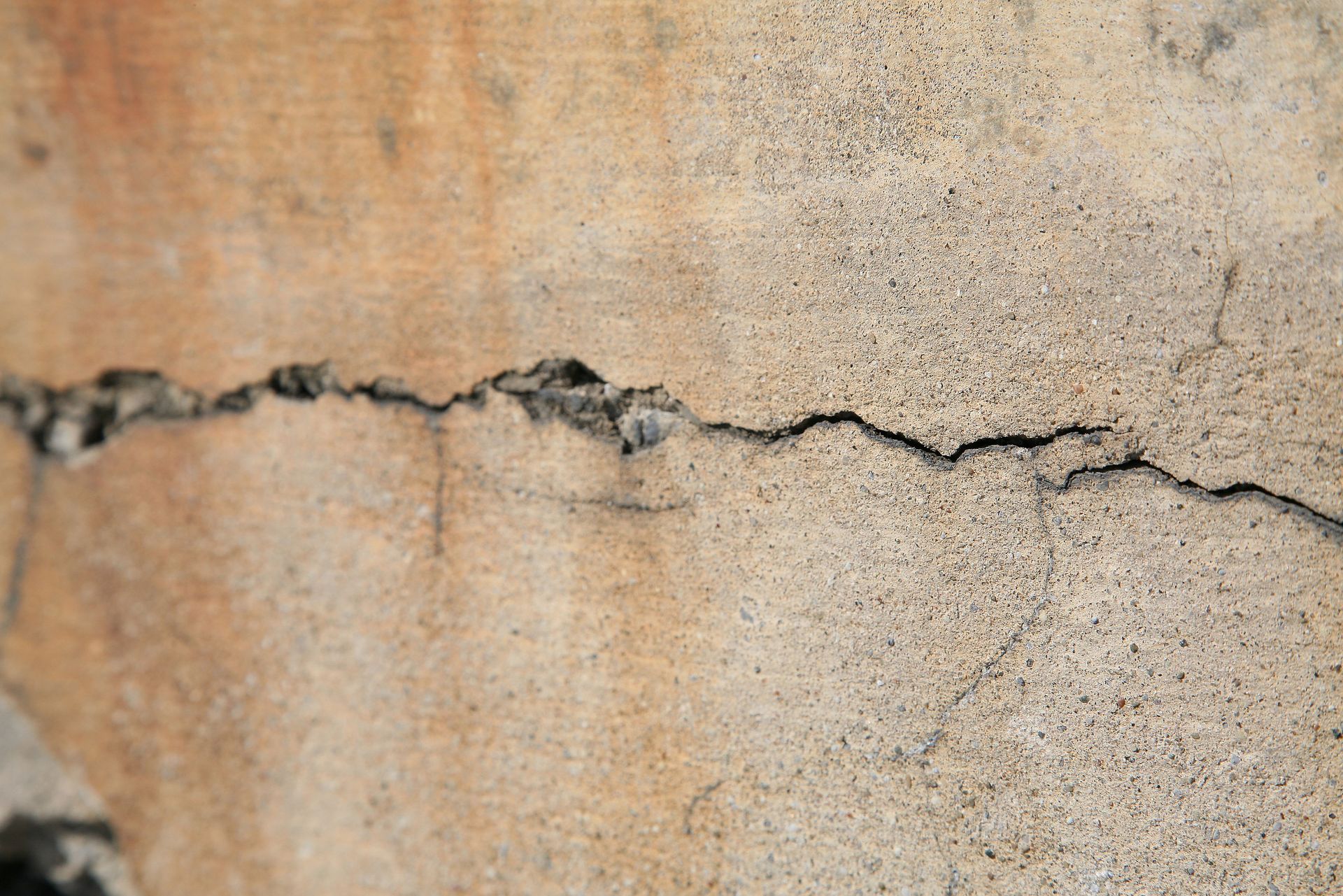
Cracks in foundation walls and floors can indicate changes in the conditions supporting a home. While some minor cracks develop as concrete naturally cures or settles, others may point to pressure, shifting soil, or structural movement that requires professional attention. The location, width, direction, and progression of a crack can provide useful information about its potential cause. Cracks that continue to widen, appear in several areas, or develop alongside other warning signs deserve a closer evaluation.
Horizontal cracks in basement walls can be particularly concerning because they may indicate pressure from surrounding soil. Stair-step cracks in masonry and diagonal cracks near windows or doors can also suggest movement that should not be ignored. Professional foundation repairs begin with identifying what is contributing to the damage rather than simply covering the visible opening. An inspection can help determine whether the issue is cosmetic, related to moisture, or associated with a more significant structural concern.
Identify Doors and Windows That No Longer Operate Properly
Changes in the way doors and windows open or close can sometimes point to shifting within a home's structure. When a foundation moves, the framing above it may become slightly distorted, affecting the alignment of doorframes and window openings. Homeowners may notice doors that stick, refuse to latch, or swing unexpectedly. Windows may become difficult to open, close, or lock even when their hardware appears to be functioning normally.
These changes are especially important when several doors or windows begin experiencing problems around the same time. A single sticking door may have an isolated cause, but multiple alignment issues combined with cracks or uneven floors may indicate a broader concern. A professional evaluation can help determine whether the foundation is contributing to these changes. Addressing the underlying issue is more effective than focusing only on the affected doors and windows.
Investigate Uneven Floors and Sloping Surfaces
Floors that slope, sag, or feel uneven can indicate movement beneath the home's structure. Foundation settlement may affect the support provided to floor systems, resulting in noticeable changes throughout one or more rooms. Homeowners might observe that furniture does not sit evenly, flooring materials begin separating, or certain areas feel different underfoot. These symptoms can develop gradually, making them easy to overlook until the differences become more noticeable.
Uneven floors should be evaluated in context with other structural conditions. Changes in floor level near foundation walls, recurring gaps along baseboards, and cracks in nearby surfaces may provide additional clues. Foundation repairs may be necessary when an inspection identifies settlement or movement affecting the property's support system. A qualified professional can assess the affected areas and explain whether the condition requires corrective work.
Watch for Water Intrusion and Persistent Basement Moisture
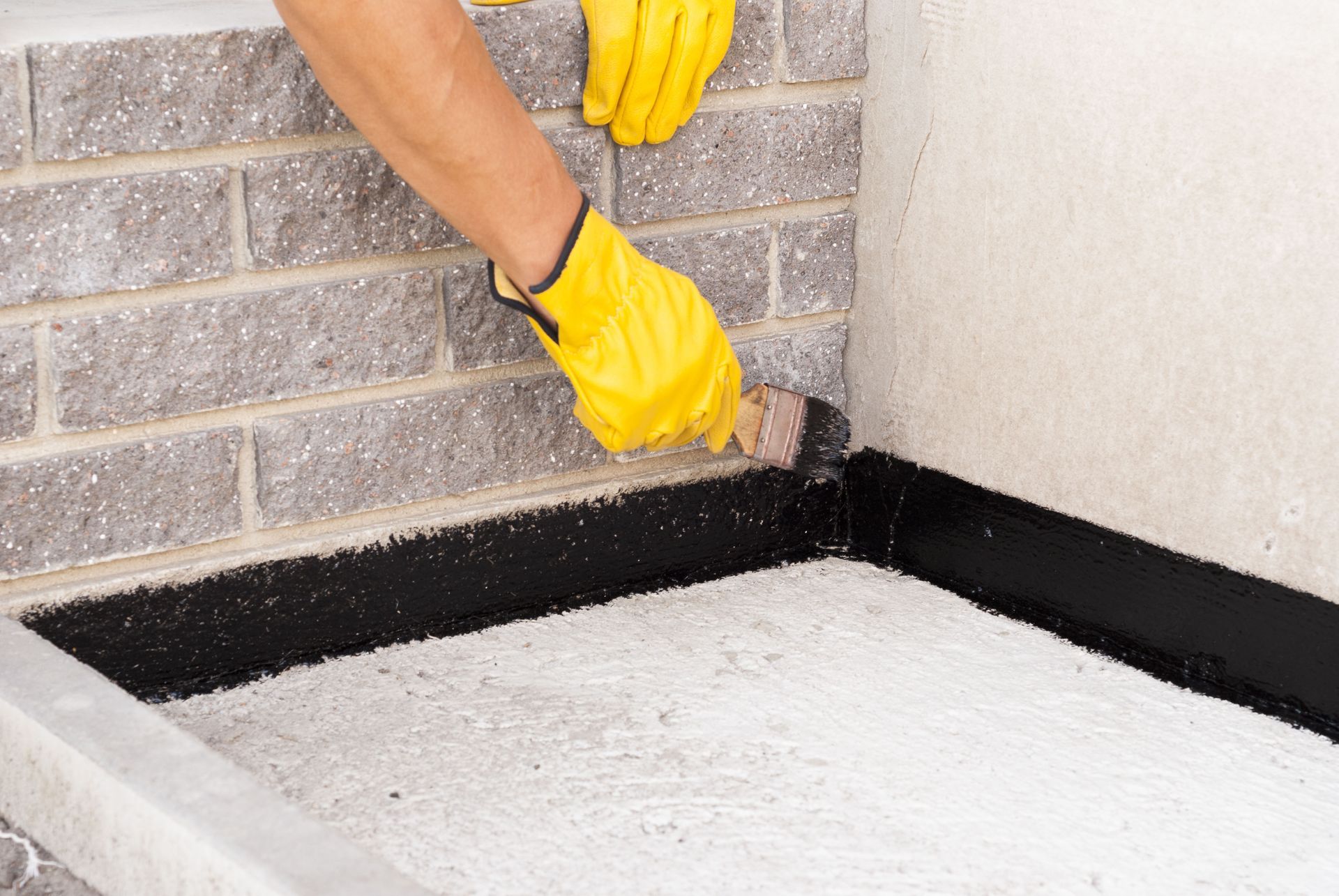
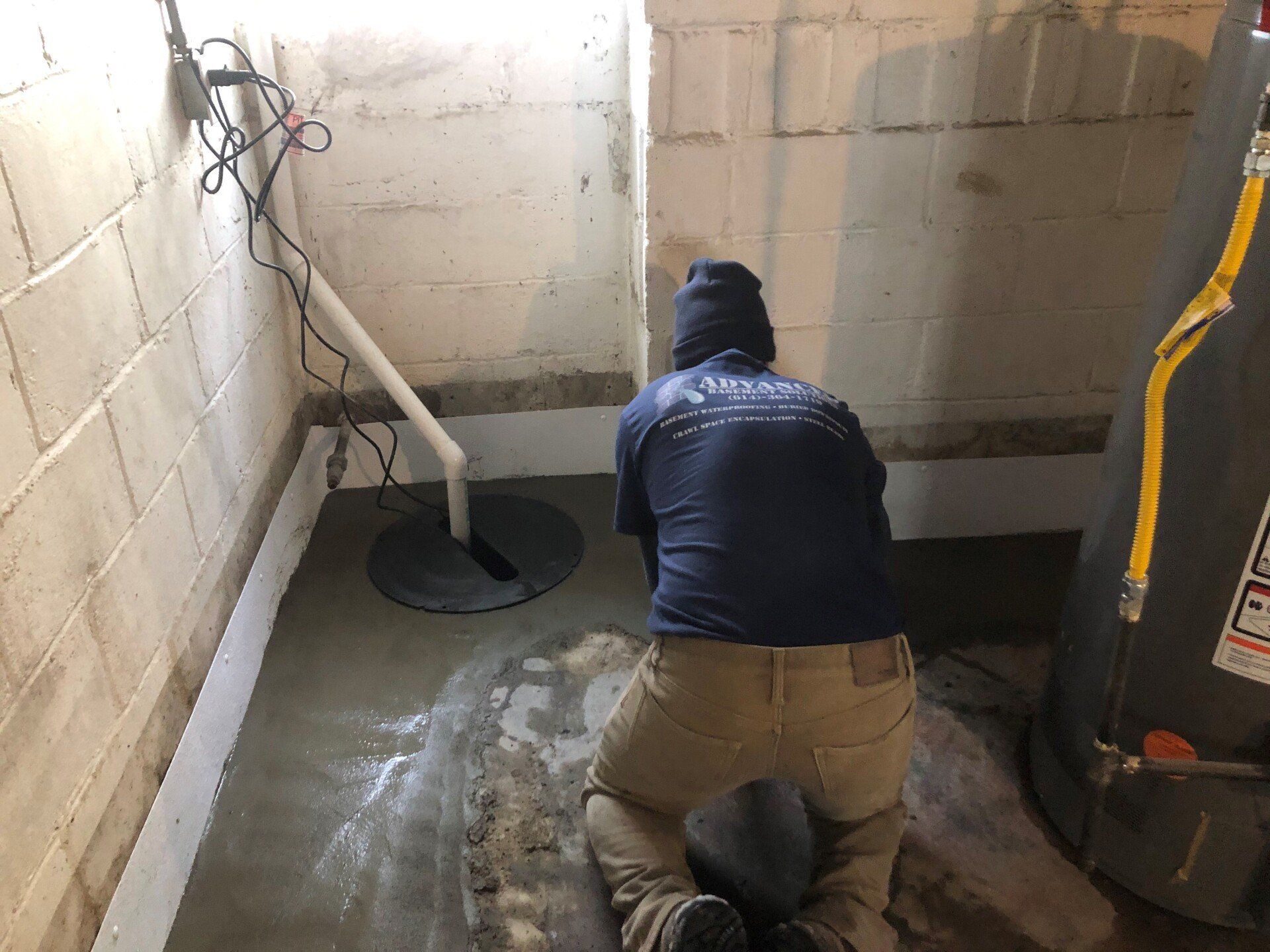
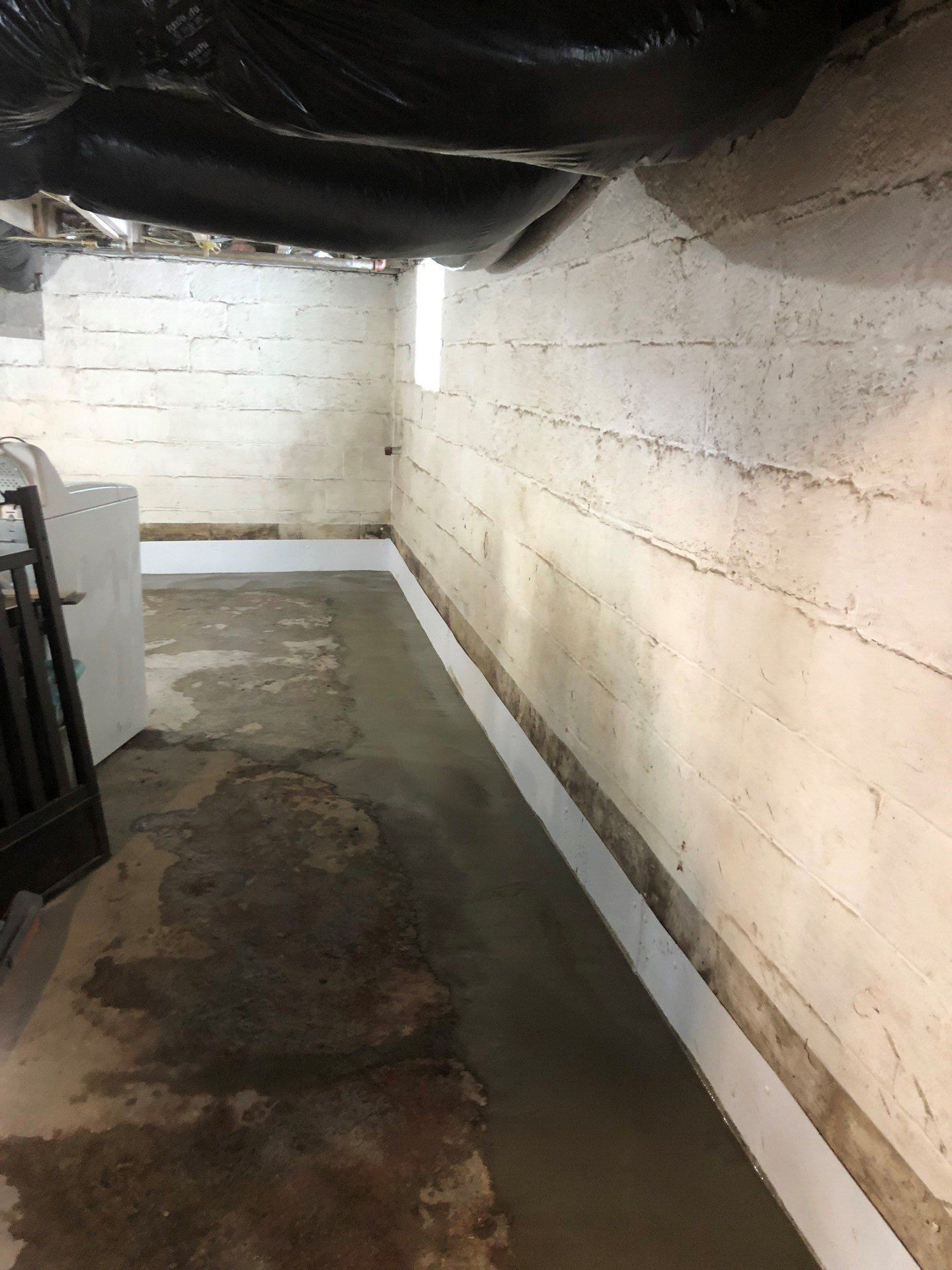
Water entering a basement is an important warning sign because moisture can affect both the condition of the foundation and the usability of the space. Damp walls, standing water, recurring puddles, and water stains may indicate drainage problems, cracks, or pressure against the foundation. Persistent moisture can also contribute to deterioration of surrounding materials and create conditions that support mold growth. These concerns deserve attention, particularly when water intrusion continues after ordinary weather changes.
According to Builder, approximately 60% of homes in the United States are estimated to have wet basements, while 38% face a risk of basement mold. These figures highlight how common basement moisture concerns can be and why they should not be dismissed. Water intrusion may have several causes, including inadequate drainage, groundwater pressure, or openings in foundation walls. Professional assessment can help identify the source and determine whether foundation repairs or other moisture-management measures are appropriate.
Examine Basement Walls for Bowing and Bulging
Foundation walls are designed to support the structure while resisting pressure from the surrounding soil. When that pressure becomes excessive or conditions change, walls may begin to bow inward or develop visible bulges. These changes can indicate that the wall is under stress and may be losing its ability to perform as intended. Even when the movement appears gradual, it should be treated as a significant warning sign.
Other symptoms may accompany bowing, including horizontal cracks, water infiltration, or separation near the top of the wall. The combination of these conditions can help an inspector understand the nature and extent of the problem. Foundation repairs for bowed walls may involve specialized stabilization methods based on the wall's construction and the forces affecting it. Prompt evaluation is important because advanced movement can create more complicated structural concerns.
Notice Gaps Around Exterior and Interior Features
Gaps that develop between walls, ceilings, floors, and other building features may indicate that parts of the structure are shifting. Homeowners might see separation where walls meet ceilings, spaces around exterior trim, or gaps between a chimney and the surrounding siding. These changes can occur as different parts of a building respond to movement or settlement. When new gaps appear or existing ones continue to expand, an inspection can help clarify their significance.
Exterior features can provide additional evidence of foundation movement. Brick veneer may develop stair-step cracks, siding may separate near corners, and porches or steps may pull away from the main structure. These conditions do not always have the same cause, but several appearing together can justify a closer look. A professional can examine the affected areas and determine whether movement beneath the home is contributing to the separation.
Address Drainage Problems Near the Foundation
Water management around a home plays an important role in protecting the foundation. Poor drainage can allow water to collect near foundation walls, increasing moisture exposure and potentially contributing to soil expansion or erosion. Gutters that discharge too close to the property, improperly directed downspouts, and areas where water consistently pools can all create concerns. Over time, changing soil conditions may place additional pressure on the foundation or affect the support beneath it.
Drainage concerns are particularly important when they occur alongside basement leaks, wall cracks, or uneven floors. These symptoms may indicate that water-related conditions are contributing to a larger foundation issue. An inspection can help determine whether grading, drainage improvements, waterproofing, or structural foundation repairs are needed. Addressing the source of moisture is an important part of preventing recurring problems.
Respond Quickly When Multiple Warning Signs Appear
One warning sign may have several possible explanations, but multiple symptoms appearing together can make a foundation concern more urgent. For example, widening cracks combined with sticking doors, sloping floors, and basement water intrusion may indicate that the home is experiencing more than an isolated maintenance issue. Changes that develop rapidly or continue to worsen deserve particular attention. Delaying an evaluation can make it harder to understand how the condition is progressing.
A professional inspection considers the relationship between visible symptoms and the property's structural conditions. The evaluator may examine foundation walls, floor levels, drainage patterns, and areas where the structure connects to other building components. This broader assessment helps establish whether
foundation repairs are necessary and what type of work may be appropriate. If a wall appears to be moving significantly or there are signs of sudden structural instability, homeowners should seek prompt professional assistance and avoid the affected area until it has been assessed.
At Advanced Basement Solutions, we help property owners address basement and foundation concerns with careful evaluation and solutions suited to the conditions affecting their homes. Our team understands the importance of identifying the source of a problem before recommending a course of action. Whether you have noticed wall cracks, persistent moisture, or signs of structural movement, we can discuss your concerns and explain the next steps. Contact Advanced Basement Solutions to schedule an evaluation and learn more about protecting your home's foundation.