Is Basement Waterproofing Worth It in Columbus Real Estate?
If you own a home in Columbus, you already know how unpredictable Ohio weather can be. One week it’s pouring rain, the next it’s freezing solid. Add clay-heavy soil and older housing stock to the mix, and you’ve got a recipe for damp basements.
So the big question is simple: Is basement waterproofing actually worth it in Columbus real estate?
For many homeowners, the answer is yes. But it’s not just about stopping a little water from seeping in. It’s about protecting your foundation, your home’s value, and your peace of mind. Whether you plan to stay put for years or sell in the near future, waterproofing plays a bigger role in property value than most people realize.
Why Columbus Homes Are Prone to Basement Moisture
Columbus sits in a region with clay-rich soil. Clay expands when it absorbs water and shrinks when it dries out. That constant movement puts pressure on foundation walls.
When we get heavy spring rains or rapid snowmelt, water builds up in the soil around a home. If drainage isn’t ideal, that moisture presses against the foundation. Over time, cracks can form. Even small cracks allow water vapor or liquid water to enter the basement.
Older neighborhoods like Clintonville, Bexley, and parts of Upper Arlington often have homes built decades ago, long before modern waterproofing systems were common. These homes may not have proper exterior drainage, sump pumps, or interior drain systems.
Even newer homes in growing suburbs such as Dublin, Westerville, or Gahanna can face issues if grading or downspout extensions weren’t handled correctly.
It’s not always dramatic flooding. Sometimes it’s just:
- A musty smell that never goes away
- Efflorescence, which looks like white powder on concrete walls
- Damp carpet along the basement edge
- Small hairline cracks in the foundation
These early signs matter more than people think.
What Basement Waterproofing Actually Does
When people hear “basement waterproofing,” they often picture a quick sealant brushed onto a wall. In reality, real waterproofing is about managing water before it becomes a problem.
There are two main approaches:
Interior Waterproofing Systems
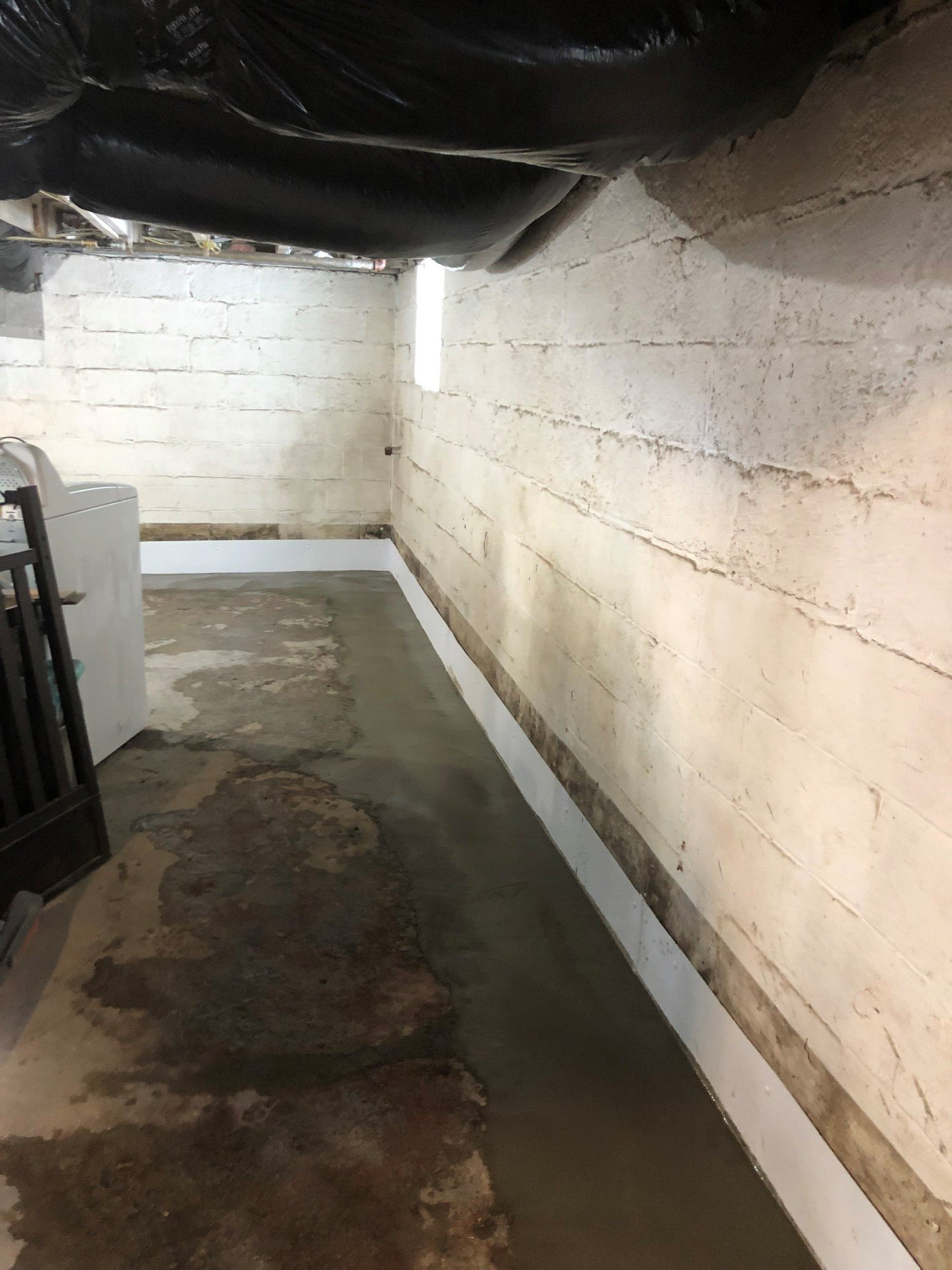
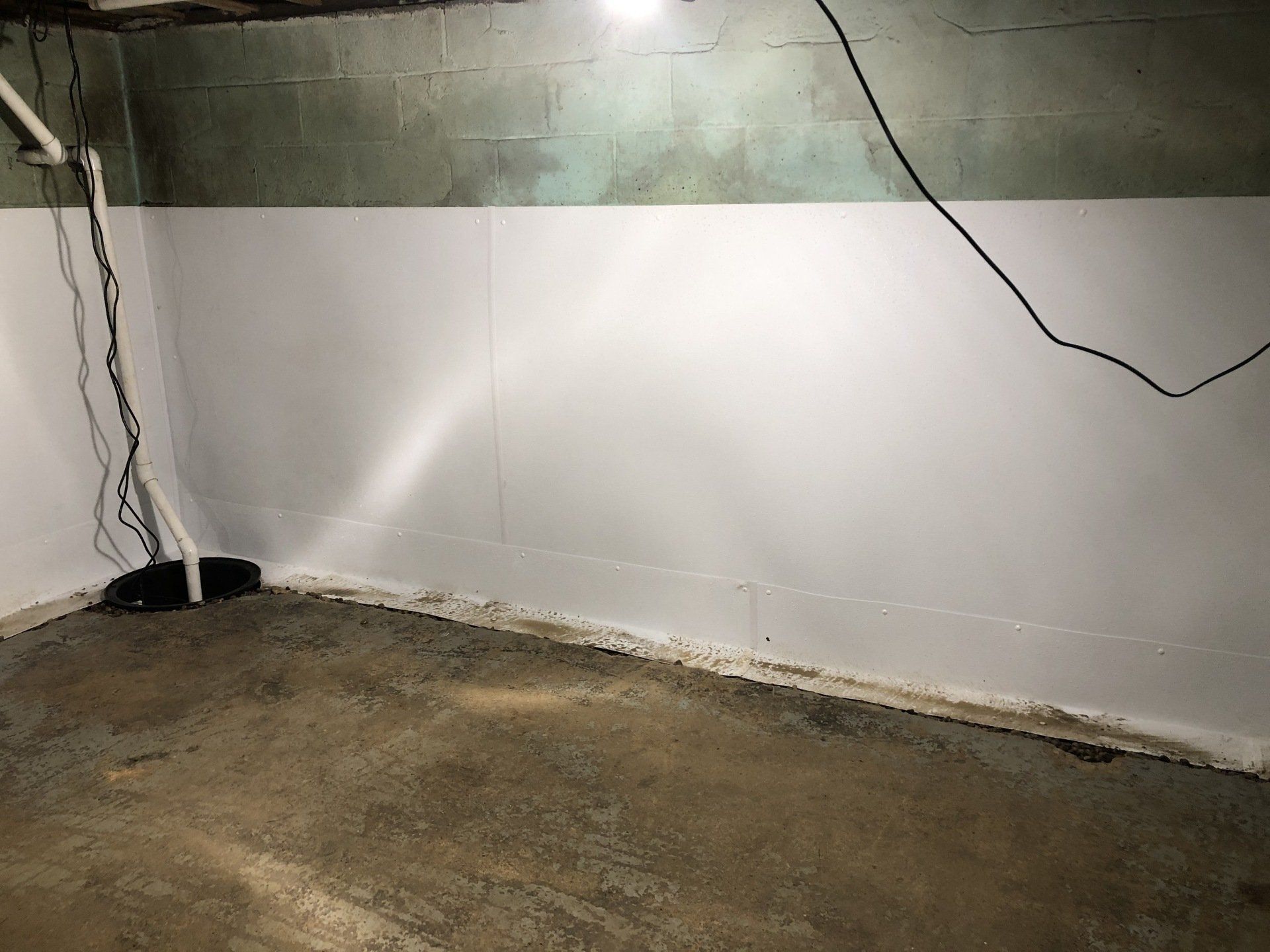
These systems are installed inside the basement. They typically include:
- Interior drain tile systems along the perimeter
- Sump pumps to remove collected water
- Vapor barriers on foundation walls
Interior systems control water after it reaches the foundation, but before it damages living space.
Exterior Waterproofing
This involves excavating around the foundation and applying waterproof membranes, drainage boards, and proper footing drains outside the home. It stops water at the source.
Both methods can be effective depending on the home and soil conditions. A professional inspection usually determines what makes sense.
The goal is simple: keep the basement dry long term, not just during the next rainstorm.
How Moisture Affects Home Value in Columbus
Let’s talk real estate.
When buyers tour homes in Columbus, they pay attention to basements. Even if they don’t say it out loud, a damp or musty basement makes people nervous.
Home inspectors routinely check for:
- Foundation cracks
- Signs of water intrusion
- Mold growth
- Sump pump function
If moisture issues show up during inspection, buyers often request repairs or price reductions. Some deals fall apart entirely.
On the other hand, a professionally waterproofed basement sends a strong signal. It tells buyers the home has been maintained and that the foundation is protected.
In competitive areas like Powell or New Albany, buyers expect solid infrastructure. A dry basement can quietly support your asking price. A wet one can quietly sink it.
Finished Basements Raise the Stakes
Many Columbus homeowners finish their basements to create extra living space. It might be a home office, guest room, or family room.
Here’s the thing: once drywall, flooring, and furniture are added, water damage becomes far more expensive.
A small leak can destroy:
- Drywall
- Insulation
- Flooring
- Electrical systems
- Personal belongings
Suddenly, what could have been a manageable fix turns into a major renovation.
If you’re investing in finishing your basement, waterproofing first is almost always worth it. It protects the investment you’re about to make.
The Mold Factor
Basements are naturally cooler than the rest of the house. Add moisture and limited airflow, and mold can start growing quickly.
Mold doesn’t always look dramatic. Sometimes it hides behind walls or under carpet padding. You may only notice a persistent musty odor.
For families with allergies or respiratory sensitivities, damp basements can become a health concern. Even if you never plan to finish the space, keeping humidity under control matters.
Buyers are especially wary of mold. A history of water intrusion can raise red flags during negotiations.
Comparing Costs Versus Long-Term Savings
Let’s be honest. Basement waterproofing is not a tiny expense. The cost varies based on the size of the home, the severity of the issue, and whether interior or exterior work is needed.

But consider what unchecked water can lead to:
- Structural foundation repairs
- Mold remediation
- Replacing finished basement materials
- Lower resale value
- Extended time on the market
When you compare those potential costs, waterproofing often makes financial sense.
It’s similar to replacing a roof before it fails. You may not see the benefit every day, but you avoid a far bigger problem down the road.
How Waterproofing Impacts Appraisals and Buyer Confidence
Appraisers look at condition and risk. While waterproofing alone doesn’t automatically increase appraised value dollar for dollar, it reduces perceived risk.
Reduced risk often means:
- Smoother inspections
- Fewer repair concessions
- Faster closing timelines
- Stronger buyer confidence
In areas around Franklin County, where resale activity stays steady, even small risk reductions can make a difference.
A dry basement doesn’t always add a flashy premium. It prevents a discount.
Signs It May Be Worth It for Your Home
Not every home needs major waterproofing. But in Columbus, these signs usually justify professional evaluation:
- Repeated dampness after heavy rain
- Visible cracks wider than a hairline
- Bowing or shifting walls
- Rusted basement window frames
- Persistent humidity despite dehumidifiers
If your sump pump runs constantly or struggles during storms, that’s another signal.
The earlier you address these issues, the less invasive the solution tends to be.
The Local Climate Factor
Central Ohio gets steady rainfall throughout the year, along with freeze-thaw cycles in winter. When water enters small foundation cracks and freezes, it expands. That expansion can slowly widen cracks over time.
It’s not dramatic overnight damage. It’s gradual.
That’s why homeowners sometimes feel surprised when a basement that was “mostly fine” for years suddenly starts leaking.
Waterproofing acts as a buffer against those seasonal swings.
Insurance and Peace of Mind
Many homeowners assume insurance will cover basement water damage. In reality, standard policies often exclude groundwater seepage.
That means you could be paying out of pocket for repairs.
Waterproofing lowers the chance of surprise expenses. For many families, that peace of mind alone makes it worthwhile.
You sleep better during heavy storms. That’s nothing.
Choosing the Right Contractor in Columbus
If you’re considering basement waterproofing in Columbus, look for:
- Local experience with Ohio soil conditions
- Clear explanations without scare tactics
- Written warranties
- Proper licensing and insurance
A reputable company will inspect the home thoroughly and explain options in plain English.
For homeowners in Central Ohio, Advanced Basement Solutions has worked with many properties across the Columbus area and understands how local soil and drainage patterns affect foundations. Choosing a contractor familiar with the region helps ensure the solution fits the home.
Is Basement Waterproofing Always Worth It?
Here’s the honest answer: not every basement needs a full system.
If your basement has stayed dry for decades and there are no warning signs, preventive maintenance like improving grading or extending downspouts might be enough.
But if you’ve seen recurring moisture, cracks, or musty odors, ignoring it rarely works out well. Water problems usually grow slowly before they grow fast.
In Columbus real estate, buyers pay attention to foundations. They may forgive dated cabinets. They won’t ignore water.
Looking at the Bigger Picture
Think about how long you plan to stay in your home.
If you’re selling soon, waterproofing can smooth the inspection process and help protect your asking price.
If you’re staying long term, it protects the structure, reduces health concerns, and safeguards finished spaces.
Either way, you’re protecting one of the biggest investments most people ever make.
That’s why many homeowners in the Columbus area see basement waterproofing as less of a luxury and more of a protective step.
Final Thoughts
So, is basement waterproofing worth it in Columbus real estate?
For homes with moisture issues, recurring dampness, or plans for a finished basement, it usually is. It protects structural integrity, supports resale value, and reduces stress during heavy storms.
Every home is different. Soil conditions, age, grading, and drainage all play a role. The smart move is to get a professional evaluation before small signs turn into larger repairs.
If you’re unsure about your basement’s condition, a local inspection from a company such as Advanced Basement Solutions provides clarity without pressure. Knowing where you stand makes decisions easier.
A dry basement may not grab headlines during a showing. But it quietly supports everything above it.
And in Columbus real estate, that quiet stability goes a long way.
FAQs
Does basement waterproofing increase home value in Columbus?
It may not raise the appraised value dollar for dollar, but it protects against price reductions during inspection. Buyers often feel more confident purchasing a home with documented waterproofing work.
How long does basement waterproofing last?
Interior systems with sump pumps and drain tiles can last many years when properly maintained. Exterior systems also offer long-term protection, especially when combined with good drainage and grading.
Is a damp basement always a serious problem?
Not always, but consistent dampness can lead to mold growth and foundation damage over time. It’s wise to have recurring moisture evaluated.
Should I waterproof before finishing my basement?
Yes. Waterproofing before adding drywall and flooring helps protect your investment and prevents costly damage later.
Can I just use a dehumidifier instead?
A dehumidifier helps control moisture in the air but does not stop water intrusion. It’s a temporary aid, not a full solution.