By Mike Ellis
November 5, 2026
Basement moisture can develop gradually or appear suddenly after heavy rainfall, plumbing problems, or changes in groundwater levels. Identifying the source early helps homeowners prevent structural damage, mold growth, and costly repairs. During an inspection, basement waterproofing companies evaluate the basement’s condition, look for signs of water intrusion, and assess potential causes of moisture. Understanding what professionals examine can help homeowners recognize problems and make informed decisions about protecting their properties.
Identifying Signs of Water Intrusion
One of the first steps in a basement inspection is checking for visible evidence of moisture. Water does not always enter through an obvious opening, so professionals examine multiple surfaces and areas to determine where intrusion may be occurring.
Common warning signs include:
- Water stains or discoloration on walls and floors.
- Damp spots, peeling paint, or bubbling wall coatings.
- White, powdery mineral deposits known as efflorescence.
- Puddles or standing water after rainfall.
- Musty odors that may indicate persistent moisture.
Even when a basement appears dry during an inspection, older stains or mineral deposits can indicate previous water problems. Inspectors may ask about seasonal leaks, recent storms, and how often moisture appears to establish whether the issue is ongoing or intermittent.
Examining Foundation Walls and Floors
Foundation walls and floors help protect a home from surrounding soil and groundwater. Cracks, gaps, and deteriorating materials can create pathways for water to enter, particularly when groundwater pressure increases after prolonged rainfall.
During an inspection, professionals look for cracks in concrete, gaps where walls meet floors, and areas where masonry or mortar appears damaged. They also consider whether cracks are consistent with typical concrete shrinkage or show signs that warrant further structural evaluation.
Horizontal cracks, significant displacement, and widening cracks may require additional assessment, as they can indicate foundation movement. Not every crack signals a serious structural problem, but its location, size, and progression can help determine the appropriate next steps.
Inspectors may also examine the basement floor for uneven areas, cracks, or evidence of water entering through joints. Identifying these conditions helps determine whether moisture control, sealing, drainage improvements, or further structural evaluation may be appropriate.
Evaluating Drainage Around the Property
Water management outside the home plays a major role in basement moisture. When rainwater collects near the foundation, it can increase pressure against basement walls and create opportunities for seepage.
Professionals often examine the property’s grading, gutters, downspouts, and nearby drainage patterns. They look for conditions that direct water toward the house rather than away from it.
Important exterior features include:
- Ground Slope: Soil should generally slope away from the foundation so rainwater can drain away from the home.
- Gutters and Downspouts: Clogged gutters or downspouts that discharge too close to the foundation may concentrate water around basement walls.
- Low Areas: Depressions near the house can collect rainwater and gradually increase moisture around the foundation.
- Surface Drainage: Walkways, patios, and driveways may direct water toward the home if they slope in the wrong direction.
These observations help inspectors determine whether exterior water management may be contributing to basement leaks. Correcting drainage problems can reduce moisture exposure, although additional measures may be necessary if groundwater or foundation conditions are also involved.
Checking for Mold and Excess Humidity
Persistent moisture can create conditions that support mold growth, particularly in basements with limited ventilation. Basement waterproofing companies look for visible growth, musty odors, condensation, and other indications that humidity may be too high.
According to Builder, approximately 60% of homes in the United States have wet basements, and about 38% face a risk of basement mold. These estimates highlight how common basement moisture concerns can be and why investigating damp conditions is important.
Professionals may check areas behind stored belongings, around windows, near plumbing fixtures, and along basement walls where condensation or water intrusion can go unnoticed. They may also measure humidity to better understand the environment.
Visible mold and musty odors should not be ignored, but an ordinary waterproofing inspection is not necessarily a comprehensive mold assessment. If extensive growth or potential health concerns are identified, a qualified mold remediation or indoor environmental professional may be needed. Controlling the underlying moisture source is an important part of preventing recurring mold problems.
Inspecting Windows, Plumbing, and Other Entry Points
Basement moisture can originate from more than the foundation walls. Windows, plumbing connections, utility penetrations, and other openings may also allow water to enter.
Inspectors examine window wells for standing water, clogged drains, damaged seals, and inadequate covers. They may check whether window frames show signs of deterioration or whether water stains suggest leaks around the openings.
Visible plumbing lines, water heaters, laundry connections, and nearby fixtures may also be reviewed for signs of leakage. A slow plumbing leak can keep flooring and surrounding materials damp, even when the foundation itself is not allowing water through.
Basement waterproofing companies may also inspect areas where pipes, cables, or other utilities pass through basement walls. Gaps around these penetrations can provide entry points for water, especially when exterior sealing has deteriorated. Identifying the source helps prevent homeowners from treating a symptom while overlooking the actual cause.
Assessing Interior Drainage and Sump Pumps
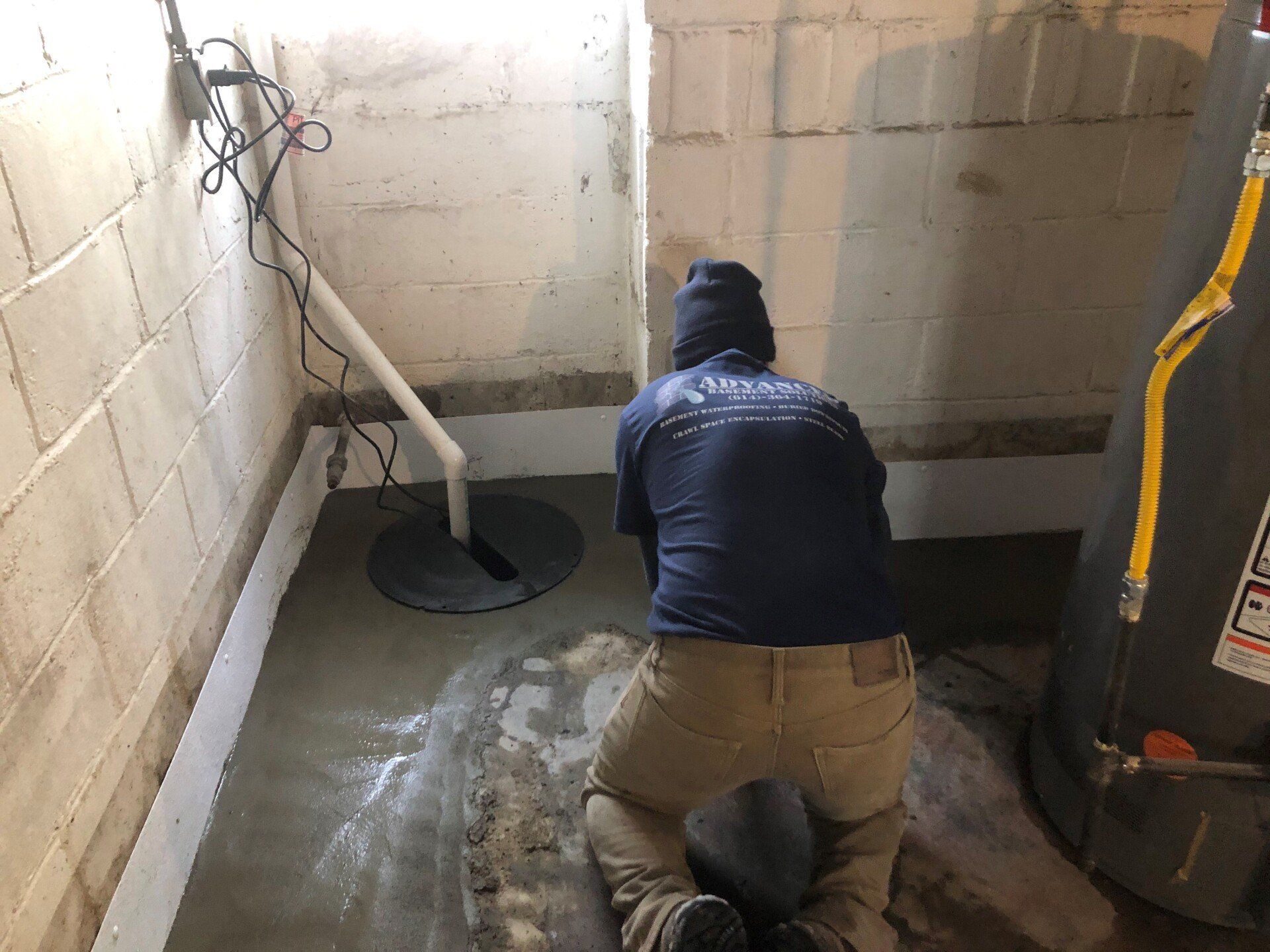
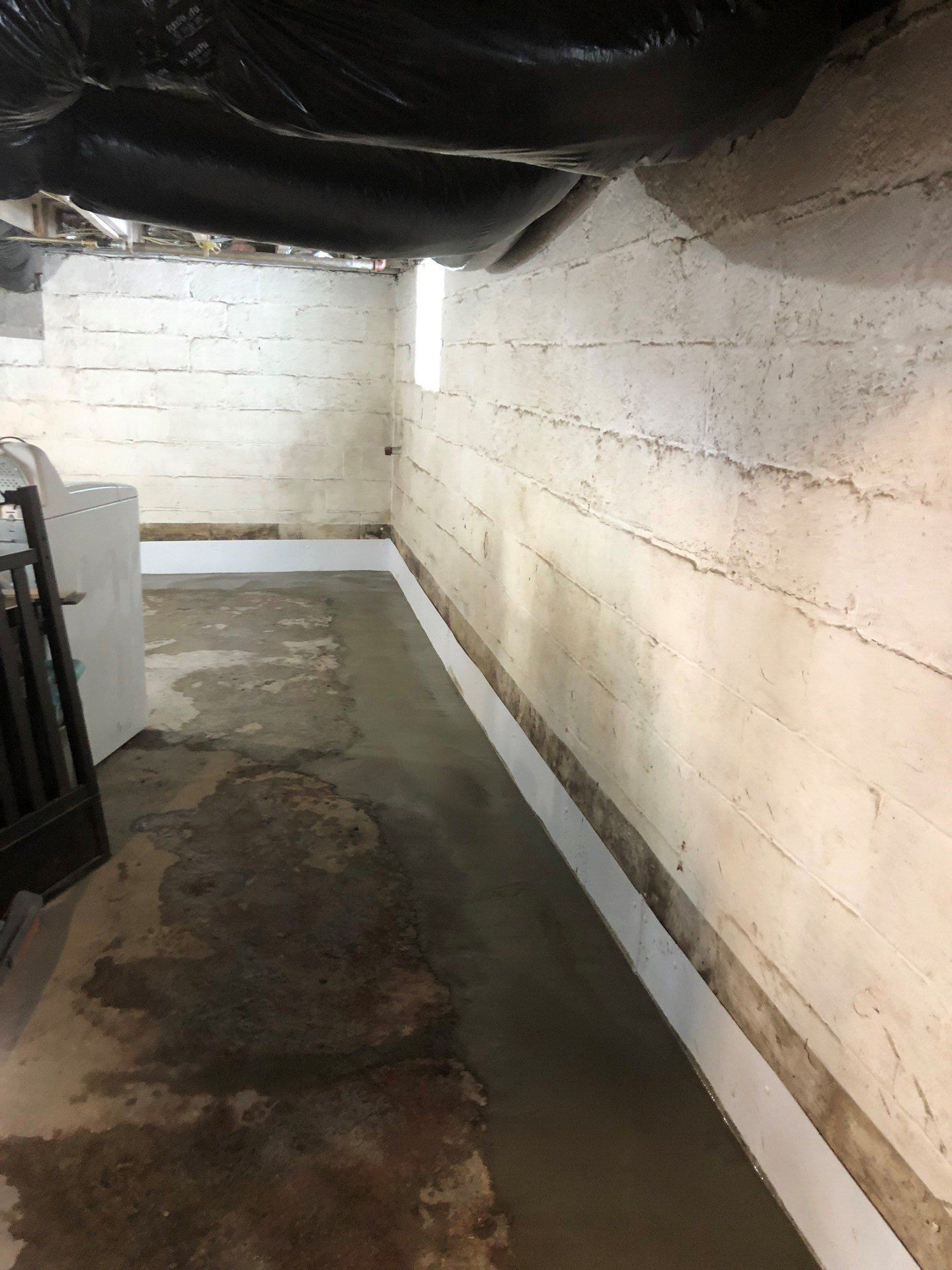
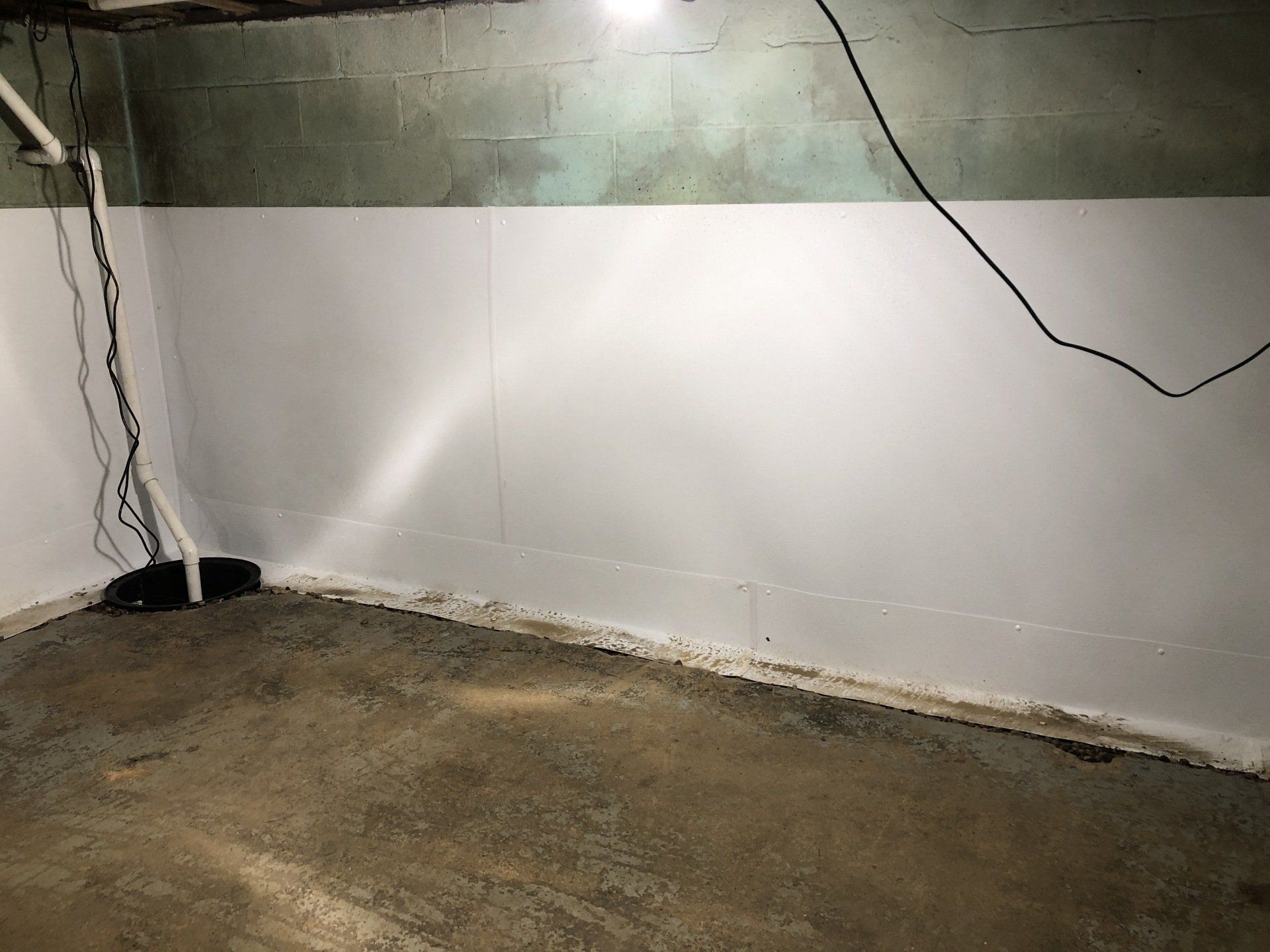
When water enters through foundation walls or collects beneath the basement floor, an interior drainage system may help direct it toward a suitable discharge point. During an inspection, basement waterproofing companies look for existing drainage channels, signs of blockage, and evidence that water is accumulating along the perimeter.
If the property has a sump pump, the inspector may examine its condition, check for visible damage, and determine whether the discharge arrangement appears suitable. A pump that fails during heavy rainfall can allow water to accumulate quickly, particularly in homes with recurring groundwater issues.
Inspectors may also look for warning signs such as standing water near drainage openings, unusual pump activity, or moisture patterns suggesting that the current system is not managing water effectively. Depending on the findings, recommendations may include repairing existing components or improving the drainage system.
Determining the Most Appropriate Waterproofing Solutions
After examining the basement and surrounding property, basement waterproofing companies use their findings to identify possible solutions. The right approach depends on the source of moisture, the condition of the foundation, and whether the problem involves surface water, groundwater, or plumbing leaks.
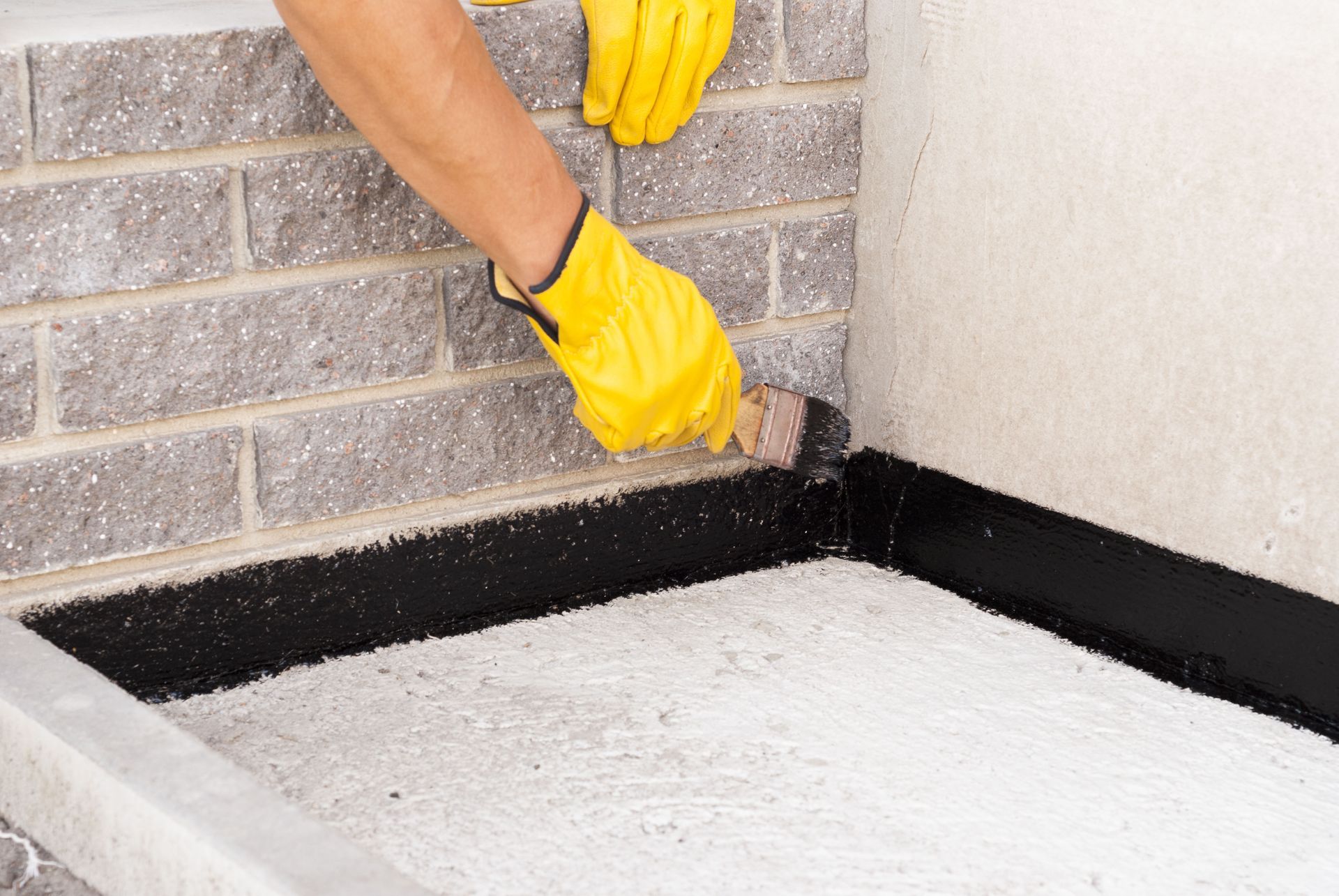
Potential recommendations may include improving exterior drainage, sealing appropriate cracks, addressing window well drainage, or installing or repairing an interior drainage system. Some properties may benefit from sump pump improvements, while others require additional evaluation before a solution can be selected.
Homeowners should ask contractors to explain the cause of the moisture, the purpose of each recommended measure, and any limitations associated with the proposed work. A clear explanation helps distinguish necessary repairs from optional improvements and supports informed decisions about the property.
Preparing for a Professional Basement Inspection
Homeowners can make an inspection more productive by preparing the basement and gathering relevant information before the appointment. Clear access to foundation walls, windows, plumbing fixtures, and mechanical equipment allows professionals to examine important areas more easily.
Before the inspection, consider taking these steps:
- Move stored items away from damp walls and areas with visible water stains.
- Make a note of when leaks occur, including whether they follow heavy rainfall or snowmelt.
- Identify previous repairs, recurring puddles, or areas with persistent musty odors.
- Share records of past water intrusion and any existing drainage or pumping equipment.
- Point out recent changes, such as widening cracks or new signs of moisture.
These details can help basement waterproofing companies understand the problem's history and determine whether additional evaluation is needed. Homeowners should avoid covering suspected leaks or making temporary cosmetic repairs before the appointment, as this may conceal evidence needed to identify the source.
Protecting Your Basement From Future Water Damage
A professional inspection can reveal how water enters a basement, which conditions increase moisture risks, and what improvements may help protect the home. By examining foundation walls, exterior drainage, humidity, plumbing, and existing waterproofing systems, basement waterproofing companies can develop recommendations tailored to the property's specific needs. Addressing problems promptly can reduce the likelihood of recurring leaks, damaged belongings, and mold-related concerns. Contact Advanced Basement Solutions to schedule an inspection and discuss options for protecting your basement from water intrusion.